

Things You Should Know Before Buying a Chiminea
Chimineas are a wonderful addition to your garden, providing warmth and atmosphere. But, there are a few things to consider before buying one.
Chimineas, for instance release harmful particles into the air. To stop this from happening, you can use bioethanol-based fuels, such as fire pits. They also require regular maintenance.
The History of the Chiminea
Chimineas provide warmth and a welcoming glow to outdoor living areas. They can turn a cold summer evening into a cozy space to entertain family and friends or just for relaxing. The first chimineas were made of clay and other materials, chimineas evolved to meet a variety of functional and aesthetic needs over time.
The most common chimineas are an oval shape and a chimney, but they are also available in modern styles with more of an open design. They are typically placed on a base that lifts them off the ground. They have an open space to allow for the addition of firewood. Some chimineas feature little or no exterior decoration, whereas others have incised, painted or raised details.
The first chimineas, made of clay fired were used to heat and cooking. As these structures grew in popularity, they were modified to adapt to different climates, with improvements in design and construction techniques that made them more sturdy. Chimineas today are made of a variety of stones, metals and clays, each with their own aesthetic and functional benefits.
Depending on which type of chimineas you choose They may require regular maintenance to keep them in good condition. For instance clay chimineas can be susceptible to cracking and decline over time if they are not properly stored in the winter. Apply a sealant specifically designed for clay and reapply every 3 to 6 months for maximum protection.
Metal chimineas are more resistant to abrasion, but they could break if stored improperly. Place them in a case which will shield them from the elements, including rain and snow. To prevent it from falling over, set any chiminea on a stable and level surface. It should never be placed on top of trees or any other structure like the roof of a patio.
Chimineas are heavy and difficult to move. You can move a small clay chiminea between different areas in your garden or yard.
Their Function
The first time they were designed as cooking vessels for townspeople Mexican tribes, these outdoor fireplaces are ideal to create a cozy ambience. terracotta chiminea function as practical heaters, spreading heat efficiently through their chimney systems. Their aesthetic versatility permits them to be incorporated into a broad range of design styles.
Chimineas are also easy to maintain and manage, which decreases the need for regular maintenance. They can also last an extended time if they are properly maintained and protected from extreme weather conditions. However the quality of the materials used and the maintenance techniques employed by homeowners will determine their longevity.
Chimineas are available in a wide range of materials, including traditional clay as well as steel and cast iron, each delivering distinct aesthetics and durability. The latter, for instance have a more polished and refined look that is suitable for modern designs. They also retain heat exceptionally well, enhancing their functionality as outdoor heaters. Additionally, some are made out of sustainable materials, giving an alternative to the reliance on fossil fuels.
The daily impact of chimineas' repercussions on air quality is contingent on factors such as the duration of use, the type and moisture content of the wood as well as the effectiveness of the chiminea's design. Yet, they emit particulate matter that could be detrimental to human health, and contribute to the pollution of the air and causing climate change. Selecting dry, well-seasoned wood and using a chiminea that is efficient in its design can significantly reduce this effect.
Chimineas are enclosed structures which reduce the amount of smoke produced. They are also designed so that smoke is directed upwards, thereby reducing potential health concerns and nuisances for neighbours. However the open design of fire pits may cause a large amount of smoke which could affect indoor living spaces.
Ultimately, the choice between a chiminea and fire pit is dependent on your personal preference, functionality and budget. Both units are versatile and offer a unique aesthetic and design, but chimineas are excellent option for those who want to create a cozy ambience without a lot of effort. Because of their special design they are easy to handle when heated and are a great alternative to outdoor fire places.
Materials
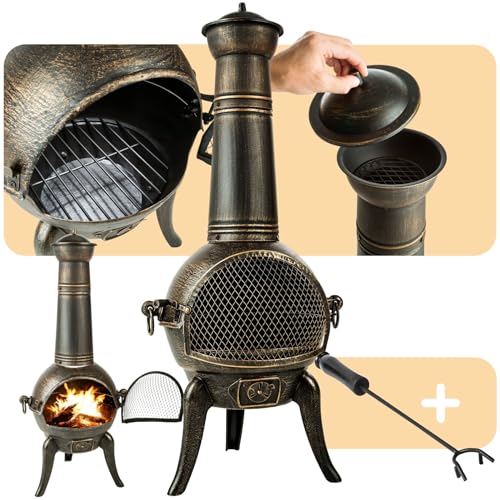
Chimineas are available in different styles that will suit any taste. They typically have an open-top potbelly that tapers into the chimney. They can be constructed of clay, metal, or cast iron. They're a wonderful addition to any deck or patio that you have in your backyard. They can create ambiance and light while also providing warmth, allowing you to spend more time outside. Chimineas are a great alternative of fire pits, as they are more attractive and are better at directing smoke away from those sitting around them.
Clay chimineas can be made by hand, using local raw clay. Chimineas are then fired to remove any excess material and form a hard, durable surface that is impervious to water. Then, they are coated with a protective glaze that lowers the risk of them cracking or warping. Chiminesas can be stored outdoors all year long, with the exception of bad weather. If it is kept outside, the clay should be protected and covered with a Chiminea.
A chiminea that is made of clay, metal or cast iron, can add a rustic, elegant look to your patio. They are made to withstand extreme temperatures, which makes them suitable for cooking and are available in a variety of sizes. Some have a separate BBQ.
Be sure to check that the chiminea is safe to use and has adequate ventilation before you purchase one. It is essential to ensure that it is placed on a non-combustible surface, such as a concrete or brick patio, and it must not be placed on any type of overhang such as a roof or pergola. It is also crucial to never use water to extinguish the flames because the sudden change in temperature could damage terracotta and clay as well as damage metal.
Chimineas can be used outdoors, but in order to maintain outdoor temperatures they must be broken down gradually by starting small fires, and increasing the size of the fire slowly. To prevent rust and ash accumulation It is recommended for you to clean your chiminea frequently with an outdoor wood cleanser.
Environmental Impact
Chimineas can add warmth and ambience to outdoor spaces, but their use can cause harmful gases. The burning of wood in chimineas creates carbon monoxide which is a deadly gas that is odourless and colorless, and can cause a variety of health issues, including respiratory issues.
Gases like this can build up in enclosed structures like chimineas, and can reach levels of toxicity. Carbon monoxide poisoning can lead to unconsciousness or death. It also contributes to air pollution and global heating and is the reason Chimineas should be kept outside and away anything flammable.
In addition to carbon monoxide, chimneys may also emit particulate matter and other harmful pollutants. The size of the chimney and the type of fuel used play a role in this, with dry wood fuels producing lower emissions than wet logs. A chiminea equipped with a spark resistor will cut down smoke and PM2.5 emissions.
Although chimineas have developed over the years, their quintessential design -- a pot-belly base and an elongated chimneyremains the same. This balance between design, innovation, and preservation is what has made Chimineas so popular across Europe and beyond.
Today's chimineas are available in a wide range of styles and materials that can match almost any garden style. Metal chimineas are more durable and more resistant to weather than clay chimineas which remain popular. They are made of cast iron or cast aluminum, and even stainless steel and can be shaped in a range of styles to meet different tastes.
There are also linear and slim designs that do not hinder functionality. It is crucial to keep in mind that a model made of metal will require more care and maintenance in comparison to clay models, as it will undergo thermal shock every time it is lit.
When selecting a chiminea it is recommended to go through the manufacturer's instructions thoroughly before you start a fire. It's also an excellent idea to buy a cover for your chiminea when it is not in use to avoid any water damage or buildup of dust. It's also important to regularly clean your chiminea and remove any ash prior to building the fire again.